Representation of Women in Film
As our film opening features a female protagonist, we thought it was important to research how women are presented in Hollywood films and if they were regressive or progressive protrayals.
Females comprised 29% of all clearly
identifiable sole protagonists featured in
the 100 top grossing films of 2016. This
represents an increase of 7 percentage
points from 2015, and a recent historical
high. Males comprised
54% of protagonists, and 17% were
ensembles.
Female protagonists were most likely to appear in comedies (28%), followed by dramas (24%), horror films (17%), animated features (14%), science fiction films (14%), and action films (3%).
In contrast, male protagonists were most likely to appear in dramas (30%) and action features (30%), followed by comedies (17%), animated films (13%), and science fiction features (10%).
Females comprised 32% of all speaking characters (major and minor) in 2016. This represents a decrease of 1 percentage point from 33% in 2015. Males accounted for 68% of speaking characters. Overall, audiences were more than twice as likely to see male characters as female characters.
In 2016, 76% of all female characters were White, 14% were Black, 6% were Asian, 3% were Latina, and 1% were other. 77% of all male characters were White, 14% were Black, 4% were Asian, 3% were Latino, and 3% were other.
In films with at least one woman director and/or writer, females comprised 57% of protagonists. In films with exclusively male directors and/or writers, females accounted for 18% of protagonists.
Mulvey states that in film women are typically the objects, rather than the possessors, of gaze because the control of the camera (and thus the gaze) comes from factors such as the as the assumption of heterosexual men as the default target audience for most film genres. While this was more true in the time it was written, when Hollywood protagonists were overwhelmingly male, the base concept of men as watchers and women as watched still applies today, despite the growing number of movies targeted toward women and that feature female protagonists.
A form of the male gaze is even present in movie posters:
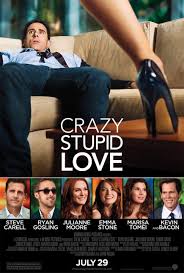
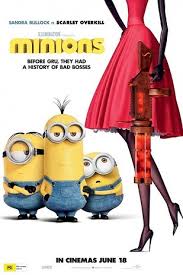
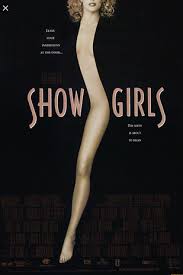
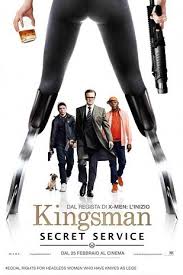
Many women in movie posters are depicted as headless- or faceless- beings.
Comedian and writer Marcia Belsky started up a project on Tumblr called The Headless Women Project in which she invites users to send movie posters depicting female bodies without a head.
Statistics of Women in Film
Female protagonists were most likely to appear in comedies (28%), followed by dramas (24%), horror films (17%), animated features (14%), science fiction films (14%), and action films (3%).
In contrast, male protagonists were most likely to appear in dramas (30%) and action features (30%), followed by comedies (17%), animated films (13%), and science fiction features (10%).
Females comprised 32% of all speaking characters (major and minor) in 2016. This represents a decrease of 1 percentage point from 33% in 2015. Males accounted for 68% of speaking characters. Overall, audiences were more than twice as likely to see male characters as female characters.
In 2016, 76% of all female characters were White, 14% were Black, 6% were Asian, 3% were Latina, and 1% were other. 77% of all male characters were White, 14% were Black, 4% were Asian, 3% were Latino, and 3% were other.
In films with at least one woman director and/or writer, females comprised 57% of protagonists. In films with exclusively male directors and/or writers, females accounted for 18% of protagonists.
The Male Gaze
The male gaze is the way in which the visual arts and literature depict the world and women from a masculine point of view, presenting women as objects of male pleasure. The phrase male gaze was coined by feminist film critic Laura Mulvey in 1975.
Mulvey states that in film women are typically the objects, rather than the possessors, of gaze because the control of the camera (and thus the gaze) comes from factors such as the as the assumption of heterosexual men as the default target audience for most film genres. While this was more true in the time it was written, when Hollywood protagonists were overwhelmingly male, the base concept of men as watchers and women as watched still applies today, despite the growing number of movies targeted toward women and that feature female protagonists.
A form of the male gaze is even present in movie posters:
Many women in movie posters are depicted as headless- or faceless- beings.
Comedian and writer Marcia Belsky started up a project on Tumblr called The Headless Women Project in which she invites users to send movie posters depicting female bodies without a head.
"The Headless Women project seeks to bring attention to the still standard practise of fragmenting, fetishizing and dehumanising the images of women we see in film, TV, book covers, and advertisement."
"By decapitating the woman, she becomes an unquestionably passive object to the male gaze."
"The question of her consent is removed completely alongside her head, and her purpose becomes solely that of being looked at by men obediently."
Stereotypes of Women in Film
Just like Paul Hunt's disability stereotypes, there are many stereotypes of women that are being shown in film repeatedly. These include:
Catty- One woman cannot be friends or work with another woman without being jealous and saying spiteful comments (especially over a man).
Maternal- All women want to do is have babies and a big family. Many woman are shown without a clear occupation whilst the men go and work in important jobs.
Stupid- Women cannot be intelligent and good looking. Most women are portrayed as less intelligent and easily confused who need men to come and solve their problems.
Weak- Women are the inferior sex when it comes to strength so obviously cannot defend themselves. They need a man to come and rescue them.
Portrayals of women are becoming more progressive. When women are made lead characters they are normally presented as strong and independent with less being focused on their family life and more on their job e.g. Arrival, Rogue One, The Hunger Games. Many successful films also have all female casts e.g. The Help, Pitch Perfect, Hidden Figures.
My group having a female lead in our opening is a big deal which means we will need to be careful not to conform to stereotypes which would make it a regressive piece.

No comments:
Post a Comment